


Introduction
Creamy lemon squares are a perfect balance of tart and sweet, creating a refreshing dessert that is truly irresistible. Often served chilled, these treats have a luscious, creamy texture contrasted with a buttery crust, making them a favorite for gatherings and special occasions.
The bright citrus flavor comes from fresh lemons, giving these squares their signature zest. With simple ingredients and an easy-to-follow process, home cooks can master this delightful dessert and bring a touch of sunshine to any table. Perfect for spring or summer, creamy lemon squares are sure to be a hit.
Ingredients
- 1 ½ cups all-purpose flour
The main component of the crust, all-purpose flour provides structure and stability. It creates the base for the creamy filling, contributing to the overall texture. - ½ cup powdered sugar
Powdered sugar adds sweetness to the crust while helping it achieve a delicate, melt-in-your-mouth texture. It dissolves easily, creating a smooth mixture without graininess. - ½ cup unsalted butter, softened
Butter contributes richness and flakiness to the crust. Using unsalted butter allows for better control of the overall saltiness in the dessert. - 1 cup granulated sugar
Granulated sugar is essential for sweetening the filling. It balances the acidity of the lemon juice, making the dessert enjoyable without overpowering the lemon flavor. - 3 large eggs
Eggs serve as a binding agent, providing structure to the filling while contributing to its creamy texture. They help solidify the filling during baking. - ¾ cup freshly squeezed lemon juice
The star ingredient of this recipe, lemon juice, provides the characteristic tartness that complements the sweetness, creating a refreshing balance. - 1 tablespoon lemon zest
Adding lemon zest enhances the overall flavor by imparting aromatic oils from the lemon's skin, deepening the citrusy taste. - ¼ teaspoon salt
Salt elevates the flavors in both the crust and the filling. It balances sweetness and enhances the overall taste profile. - Powdered sugar for dusting (optional)
Powdered sugar, when dusted on top, not only adds a touch of elegance but also provides a hint of additional sweetness.
Directions & Preparation
Step 1: Preheat the oven to 350°F (175°C).
Preheating the oven is crucial for ensuring even baking. Starting with a hot oven helps the crust to rise properly and bake evenly, providing the ideal foundation for the creamy filling.
Step 2: Prepare a 9×9-inch baking pan by greasing it or lining it with parchment paper.
Greasing or lining the pan prevents the lemon squares from sticking, making it easier to cut and serve the finished dessert. Parchment paper also helps keep the edges intact.
Step 3: In a mixing bowl, combine the flour and powdered sugar, then cut in the softened butter until the mixture resembles coarse crumbs.
Cutting in the butter with flour and sugar creates a crumbly texture essential for a tender crust. This technique helps incorporate air into the mixture, enhancing its flakiness.
Step 4: Press the crumb mixture into the bottom of the prepared pan, forming an even layer.
Pressing firmly creates a compact layer that will hold together during baking. Make sure the edges are thicker to form a nice border for the creamy filling.
Step 5: Bake the crust for 15-20 minutes, or until lightly golden brown.
Baking the crust before adding the filling ensures it sets properly and supports the creamy layer above. Look for a light golden color, which indicates doneness without drying out.
Step 6: While the crust is baking, whisk together the granulated sugar, eggs, lemon juice, lemon zest, and salt in a bowl until well combined.
Whisking these ingredients properly creates a smooth filling that will bake into a creamy consistency. The combination of eggs and sugar will help thicken the mixture as it bakes.
Step 7: Once the crust is done baking, pour the lemon filling over the hot crust and return to the oven.
Pouring the lemon filling over a hot crust ensures proper baking and helps meld the flavors. It allows the filling to start setting immediately, resulting in a firmer texture.
Step 8: Bake for an additional 20-25 minutes, or until the filling is just set and does not jiggle when gently shaken.
This step is crucial for achieving the right consistency in the lemon filling. A slight jiggle indicates that it needs more time, while a firm surface signals that it is done.
Step 9: Remove the pan from the oven and allow it to cool to room temperature, then refrigerate for at least 2 hours to set completely.
Cooling and refrigerating the lemon squares enhances their texture and makes slicing easier. Chilling also allows the flavors to develop further, improving the overall taste.
Step 10: Once set, dust the top with powdered sugar if desired, cut into squares, and serve cold.
Dusting with powdered sugar not only adds visual appeal but also provides a sweet contrast to the tartness of the lemon filling. Cutting squares after chilling helps achieve clean edges.
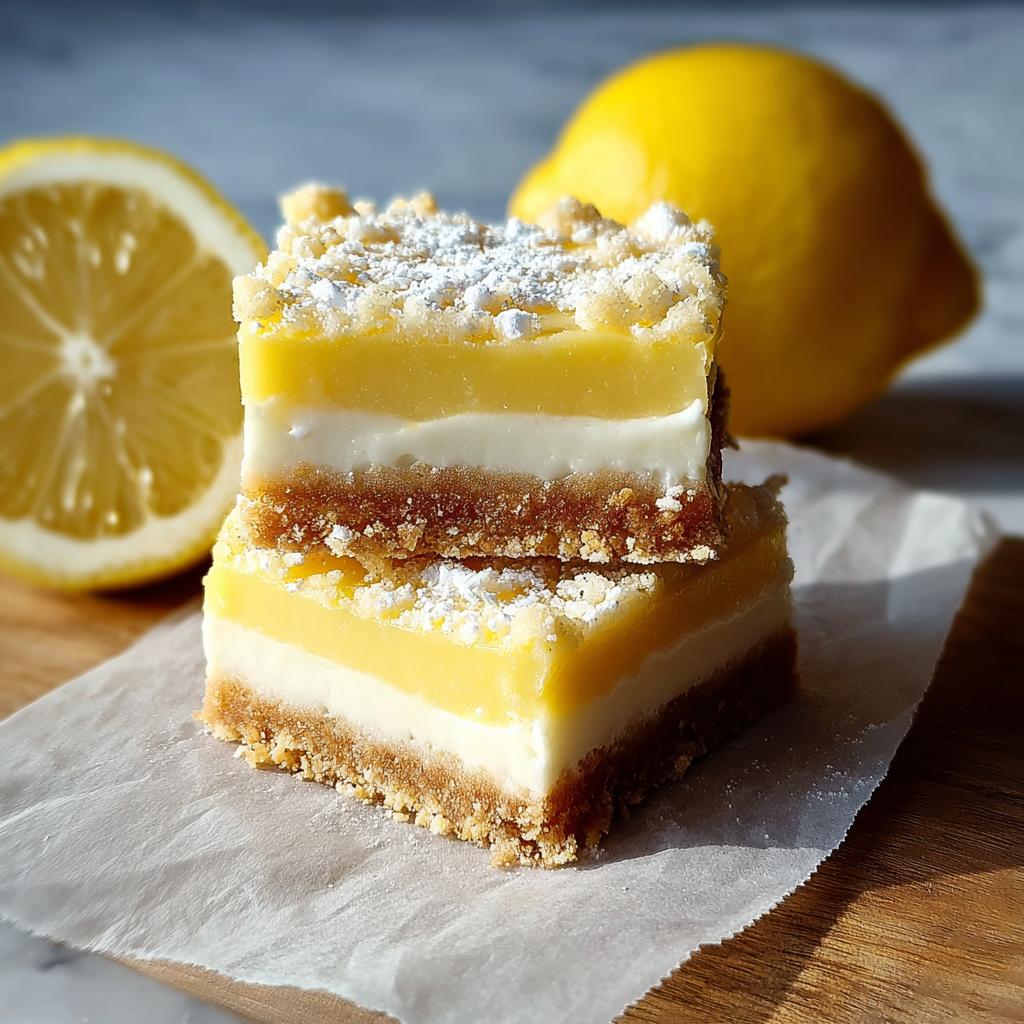
Choosing the Right Lemons
Selecting fresh, ripe lemons is crucial for achieving the best flavor in creamy lemon squares. Look for lemons that are firm with a vibrant yellow color, which indicates ripeness and juiciness. Avoid lemons with blemishes or overly dull skin, as they may lack flavor. When possible, opt for organic lemons to ensure no pesticides affect the taste.
Balancing Sweetness and Tartness
The beauty of creamy lemon squares lies in their harmonious blend of sweet and tart flavors. Adjusting the amount of sugar and lemon juice can create your desired balance. If you prefer a sweeter dessert, increase the granulated sugar slightly, but be mindful not to overpower the lemon's brightness. Taste testing your filling before baking can be a good practice.
Innovative Variations for Creamy Lemon Squares
While the classic recipe shines on its own, experimenting with flavors can lead to exciting variations. Consider adding fresh herbs like basil or mint to the filling for a unique twist, or incorporate a berry puree for a hint of color and flavor. You can also substitute lime juice for a refreshing lime square, maintaining the same creaminess with a different citrus experience.
FAQs
What to do if the filling seems too thick?
If the filling is too thick, it may need additional lemon juice to thin it out. Gradually whisk in a little more juice until it reaches a pourable consistency.
How can I adjust the sweetness of the lemon filling?
To adjust sweetness, taste the filling before baking. If it's too tart, add a bit more granulated sugar until you reach your preferred level of sweetness.
What can I use if I don't have a 9×9-inch pan?
If you don't have a 9×9-inch pan, you can use an 8×8-inch pan; however, keep in mind that the baking time may need to be adjusted slightly longer.
Why are my lemon squares overcooked?
Overcooked lemon squares may become rubbery, so it’s important to monitor baking time closely. Remove them when the center is just set to avoid drying them out.
Can I add different flavors to my lemon squares?
Yes, consider incorporating zest from other citrus fruits like lime or orange, or add extracts like vanilla or almond for a unique twist.
Are there ways to make these lemon squares gluten-free?
Absolutely! You can replace all-purpose flour with a gluten-free flour blend. Ensure all other ingredients are certified gluten-free for best results.
Conclusion
Creamy lemon squares embody a delightful fusion of flavors and textures that are bound to please any palate. With their zesty kick and silky finish, they are a quintessential dessert for any occasion.
Whether served at a summer picnic or as a refreshing finish to a formal dinner, these lemon squares are versatile enough to impress. Embrace the joy of making this ever-popular treat and indulge in their creamy goodness.
Recipe Card
Notes
Additional serving suggestions: pair with a crisp salad, garlic bread, or roasted seasonal vegetables for balance.
For make-ahead, prep components separately and assemble just before heating to preserve texture.
Taste and adjust with acid (lemon/vinegar) and salt right at the end to wake up flavors.