


Introduction
Roasted cabbage is a wonderful way to turn this humble vegetable into a delightful dish that can accompany any meal. With the right preparation, it becomes a rich and flavorful addition to your table, appealing to both seasoned cooks and newcomers alike.
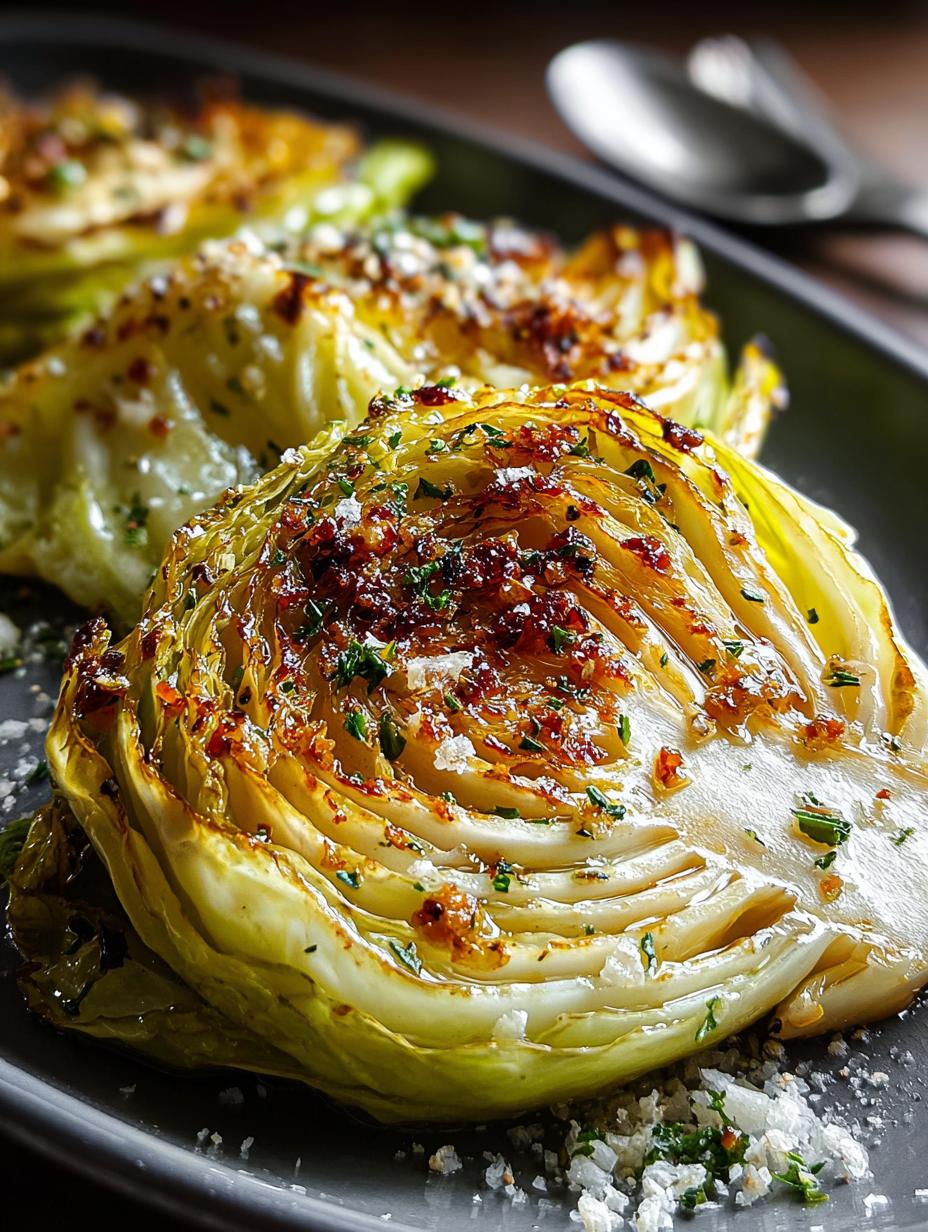
The natural sweetness of cabbage shines through when roasted, creating a crispy exterior and tender interior that offers a satisfying contrast. Whether you enjoy it as a side dish, tossed in salads, or even as a main course, roasted cabbage brings a unique flair to your culinary repertoire.
Ingredients
- 1 medium head of green cabbage (about 2 lbs)
Cabbage serves as the star of the dish, providing a mild, sweet flavor that develops beautifully when roasted. Its sturdy texture ensures the wedges hold their shape while caramelizing in the oven, allowing for a delightful mouthfeel. - 3 tbsp extra virgin olive oil
Olive oil is crucial for roasting, as it not only adds flavor but also helps achieve that golden-brown crust. It allows the natural sugars in the cabbage to caramelize, enhancing depth and richness. - 1 tsp sea salt
Salt elevates the flavor of the cabbage, drawing out moisture and enhancing its natural sweetness. It’s a vital ingredient for seasoning that harmonizes with the other elements. - ½ tsp freshly cracked black pepper
Black pepper introduces a subtle heat that balances the sweetness of the cabbage. It also enhances the overall flavor profile of the dish, ensuring every bite is seasoned well. - 1 tsp smoked paprika or garlic powder (optional)
Adding smoked paprika or garlic powder infuses the dish with an additional layer of flavor. Smoked paprika brings a delightful smokiness, while garlic powder adds a savory punch that complements the cabbage beautifully.
Directions & Preparation
Step 1: Preheat the oven to 425°F (220°C) and line a baking sheet with parchment paper.
Preheating the oven is crucial for roasting because it allows the cabbage to start cooking at the right temperature, ensuring even caramelization. Using parchment paper helps prevent sticking and makes cleanup easier after cooking.
Step 2: Slice the cabbage into thick wedges, ensuring part of the core remains intact for stability.
Cutting the cabbage into wedges rather than thin slices ensures that they maintain their shape while roasting. Keeping part of the core helps hold the wedges together, providing a robust texture and making them easier to handle.
Step 3: Drizzle olive oil generously over each wedge, then sprinkle with salt and pepper.
Ensuring that each wedge is well-coated in olive oil and seasoning is vital for flavor and texture. The oil promotes even browning while the salt and pepper enhance the cabbage’s natural flavor, giving it a delicious, savory profile.
Step 4: Place wedges cut-side down on the baking sheet and roast for 25-30 minutes until golden and crispy.
Roasting the wedges cut-side down allows for optimal caramelization, resulting in crispy edges and a tender interior. Monitoring the cabbage during cooking is essential; you want that perfect golden crust that signifies it's ready.
Step 5: For even caramelization, flip the wedges halfway through cooking.
Flipping the wedges ensures that all sides receive equal heat, promoting an even cook and consistent color. This step not only enhances texture but also elevates the overall flavor by allowing each edge to caramelize properly.
Step 6: Serve hot, garnished with optional seasonings or fresh herbs if desired.
Serving the roasted cabbage immediately after cooking ensures that the wedges are enjoyed at their best—hot, crispy, and bursting with flavor. Garnishing with fresh herbs or additional seasonings can add a personal touch to the dish, enhancing both presentation and taste.
Exploring Flavor Variations
While the basic roasted cabbage is delightful on its own, exploring additional flavor profiles can elevate the dish further. Consider adding a sprinkle of Parmesan cheese just before serving for a savory twist, or drizzle a balsamic reduction over the wedges for a tangy contrast. You can also incorporate spices like cumin or coriander, which offer a warm essence that pairs beautifully with roasted vegetables.
Pairing Ideas for Roasted Cabbage
Roasted cabbage pairs wonderfully with a variety of dishes, making it a versatile side. It complements roasted meats like chicken or pork perfectly, contributing a hearty element to your meal. Additionally, serving it alongside creamy mashed potatoes or grains such as quinoa will create a balanced plate, highlighting its robust flavors without overpowering your main course.
Adapting for Dietary Preferences
This roasted cabbage recipe can cater to various dietary needs. Its plant-based ingredients make it suitable for vegetarian and vegan diets, while the gluten-free nature of the dish ensures it conforms to many common dietary restrictions. If you’re looking to adapt it further, consider using different oils such as avocado oil or adding nuts and seeds for an extra crunch and boost of nutrition.
FAQs
What should I do if my roasted cabbage is too soggy?
Ensure you've cut the cabbage into thick wedges and use enough olive oil for proper roasting. If it comes out soggy, the oven may not have been hot enough, or it may have been overcrowded on the baking sheet.
Can I scale this recipe for a larger gathering?
Absolutely! You can easily scale the recipe by using more heads of cabbage and adjusting the oil and seasoning accordingly. Just ensure your baking sheets are large enough to accommodate the wedges without overcrowding.
How can I adjust the seasoning if the roasted cabbage tastes bland?
If your cabbage lacks flavor, consider adding more salt and pepper before roasting. You can also experiment with additional spices or even a squeeze of lemon juice after cooking to brighten the flavors.
What if my cabbage wedges are unevenly cooked?
If your wedges cook unevenly, it’s typically due to differences in thickness. Make sure to cut the wedges to a uniform size and arrange them on the baking sheet without overlapping to ensure even heat circulation.
Can I add other vegetables to the roasting pan?
Yes, you can roast other vegetables alongside cabbage, but ensure they have similar cooking times. Root vegetables like carrots or potatoes will require longer cooking, so add them first.
What should I do if my cabbage gets overcooked?
If the cabbage has become overcooked, it may be too soft and mushy. In the future, check it earlier in the cooking process and adjust your timing based on the size of the wedges.
Conclusion
Embracing roasted cabbage in your cooking repertoire can transform a simple vegetable into a star dish. With its unique flavors and textures, it can serve as a satisfyingly nutritious addition to any meal.
By understanding the nuances of preparation and seasoning, you can reap the full benefits of this versatile vegetable. Enjoy exploring the many ways to enhance your roasted cabbage experience, making it a beloved staple in your meals.
Recipe Card
Notes
Additional serving suggestions: pair with a crisp salad, garlic bread, or roasted seasonal vegetables for balance.
For make-ahead, prep components separately and assemble just before heating to preserve texture.
Taste and adjust with acid (lemon/vinegar) and salt right at the end to wake up flavors.